


Editors about Symposium
Scopri cosa hanno detto gli editors di testate internazionali sul Simposio Pezcoller.
Clicca sui nomi degli editor per leggere il loro commento.

ELENI SKOURTI, Nature Cancer
It was a great pleasure to attend the 36th Pezcoller Symposium that took place in Trento, Italy on June 23rd-24th, 2025. During the seven sessions of talks spanning both days, we learned about the ways in which advances in artificial intelligence have transformed the way we study cancer biology in the lab and manage cancer in the clinic.
We enjoyed insightful discussions of the opportunities and challenges posed by these advances, with a focus on the ways foundation models and large language models pave with regards to clinical cancer medicine and towards precision oncology.
Moreover, the poster exhibition offered a unique opportunity for all attendees to talk about projects developed towards studying and treating cancer leveraging computational tools.

POONAM BHEDA, EMBO Molecular System Biology
Set on the beautiful backdrop of Trento, Italy, the 36th annual Pezcoller Symposium, this year focusing on studying and treating cancer in the digital era, brought together an outstanding group of speakers with backgrounds in oncology, data scientists, and artificial intelligence to explore how cancer detection, diagnosis, and treatment is being reshaped by recent digital innovations. The symposium featured a series of presentations covering topics such as digital twins, pediatric cancer dependency maps, diagnostic imaging, single-cell genomics, and precision cancer medicine as well as explored the possibilities and limitations that come with employing artificial intelligence for scientific discovery and therapeutic applications. The meeting was intimate, giving everyone a great chance to interact, and augmented by a career panel discussion as well as an emphasis on students and postdocs to ask questions. Even though there were moments of awkward silence as session chairs waited for these early career researchers to gather up the courage to ask their questions, it was successful when they did, as they asked insightful questions. Finally, I must mention that the meeting organizers and President Galligioni of the Pezcoller Foundation extended a warm welcome to the attendees – and they even hosted a fantastic dinner including the famous Trentino wine and cheese. Overall, the symposium was a great success and one I very much enjoyed attending – and hope to attend again in the future!

STEVE MAO, Cancer Cell
I would like to express my sincere appreciation for the foundation’s mission in advancing our understanding of cancer and pushing for better treatment options. The dedication and vision of the organizing committee and the foundation are making such a meaningful impact in the field. The selection of AI as the central topic for this year’s symposium was especially commendable. Artificial intelligence is at the very forefront of biomedical research, and I personally learned so much from the experts and leaders who contributed to this important area. The insights and discussions were truly enlightening. Finally, the atmosphere at the symposium was perfect for fostering interaction and collaboration. It provided an open and welcoming environment for sharing unpublished work and engaging in thoughtful, productive exchanges with colleagues. It was a pleasure to be part of such an energizing and forward-thinking community.

ROBERT KRUGER, Cancer Discovery
My recent experience at the Pezcoller Symposium in Trento, a historic crossroads of people and ideas, solidified my view that attending the conference is an essential scientific pilgrimage that all cancer researchers should make at some point during their careers.
The Pezcoller Symposium is uniquely designed to annually address an urgent and exciting topic in cancer research. From the program committee’s outstanding selection of subjects and speakers, each bringing diverse areas of expertise, to the event’s near-perfect pacing and intimate setting, the Symposium ensures that provocative ideas are both shared and meaningfully discussed.
It is truly a rare privilege to learn in an environment where such a diverse group of leading minds in the field are easily accessible and fully engaged, energized from discussions that span multiple disciplines and career stages.
The 2025 Symposium, “Studying and Treating Cancer in the Digital Era,” exceeded my high expectations. I left not only informed about the tremendous promise of emerging computational approaches, including AI, as catalysts for discovery and clinical translation, but was also inspired and reassured by the vital role of human experts. Leaders like those who spoke at the event are essential to thoughtfully guide and shape this rapidly evolving field.

DIANA COROGEANU, BMC Medicine, Springer Nature
It was a pleasure to attend the 36th Pezcoller Symposium 2025, which hosted a fantastic lineup of speakers exploring cancer research in the digital era. The engaging and inspiring talks covered a variety of new developments, and I particularly appreciated the reasonable and balanced discussion on their limitations and challenges. I also enjoyed conversations on the importance of annotated datasets and need for adequate data repositories to support AI tool development relevant to cancer research. Engaging early-career researchers is a subject close to my heart, and I was moved to see that questions from early-career researchers were prioritised throughout the event.

Lise Roth, EMBO Molecular Medicine
The Pezcoller Symposium is one of the meetings I particularly enjoy attending, as it combines an outstanding scientific programme with a unique format that encourages in-depth discussions and meaningful interactions among researchers at all career stages.

KATHRYN McGINNIS, Nature
The Pezcoller Symposium, nestled in the most picturesque environment, is that rare type of conference – one in which some of the most highly respected scientists within the field of cancer research, are able to blend seamlessly with the future leaders of the field, encouraging engaging conversation between disciplines and institutes. The poster projects were well developed and presented exceedingly well. The tone set by the organisers gave more junior researchers the confidence to ask questions and launch collaborations with the keynote speakers. In my time as an editor, this is one of the most lively and inspiring events I have been lucky enough to attend.
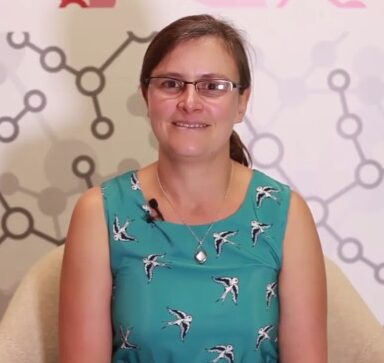
KATHARINE BARNES, Springer Nature
This was my first time at a Pezcoller Symposium and I found it to be a very friendly conference with ample opportunities to meet with the other delegates. The poster presenters were enthusiastic about introducing their work. The speakers were well selected to give a great overview of the topic, highlighting the differing expertises of the area’s researchers. I liked that the younger researchers were encouraged to ask questions, and that the speakers were not discouraged from also asking questions of others as well. This generated lively discussion. Another plus was the conference being in a beautiful location.