


David M. Livingston
2017 Pezcoller-AACR Award winner
Dr. Livingston was awarded for his landmark discoveries on cell cycle control mechanisms and for uncovering the central functions of the BRCA1 and BRCA2 tumor suppressors in breast and ovarian cancers.
Cell Cycle Control and Gene Regulation
David Livingston pioneered key pathways in molecular biology by identifying the mechanisms governing cell cycle progression in retinoblastoma. His work revealed the role of p300 and CBP as transcriptional co-activators, demonstrating how precise gene regulation is essential to prevent unchecked cellular growth.
The BRCA1 and BRCA2 Breakthrough
His most celebrated contribution is the functional characterization of the BRCA1 and BRCA2 tumor suppressor genes. Dr. Livingston uncovered their core biological roles in DNA repair, fundamentally transforming the understanding of hereditary breast and ovarian cancer risks and paving the way for targeted risk assessment and early detection.
Scientific Legacy and Mentorship
Revered internationally as a giant in cancer research, Dr. Livingston’s discoveries extended far beyond oncology into broader cell biology. His extraordinary reputation as a scientist, colleague, and mentor continues to inspire generations of researchers and shape the future of precision medicine.
“His research enabled the development of targeted therapies specifically designed for cancer cells harboring these genetic alterations. Today, these applications are part of routine clinical practice, having benefited thousands of patients worldwide.”
Enzo Galligioni, President of the Pezcoller Foundation
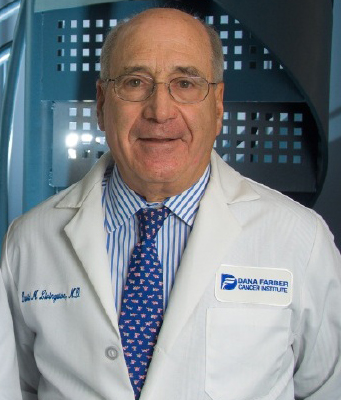
Biografia
David M. Livingston was Professor of Medicine at Harvard Medical School and Deputy Director of the Dana-Farber Cancer Institute in Boston.
He was elected as a Fellow of the AACR Academy in 2013 and received prestigious international awards for his research on tumor suppressor genes. He earned his bachelor’s degree from Harvard University and his medical degree from Tufts University School of Medicine.
On the occasion of his proclamation at the AACR Annual Meeting 2017 in Washington DC, he delivered a scientific lecture. The award was officially presented to him in May of the same year at the Buonconsiglio Castle in Trento.