


Tak W. Mak
Vincitore del Premio Pezcoller-AACR 2023
He was honored for leading the team that cloned the beta chain of the human T-cell receptor, a key component of the immune response that has helped spur a remarkable series of advances in cancer immunology research.
Genetic Models and the Immune “Brake” Discovery
Tak Mak was among the first scientists globally to utilize genetic mouse models to unravel how the immune system functions and why it fails to stop cancer growth. His groundbreaking work identified the CTLA-4 molecule as a key immune “brake”: removing this checkpoint re-arms the immune system to fight tumor cells, a discovery that laid the cornerstone for modern cancer immunotherapy.
Precision Medicine and Tumor Metabolism
His contributions have also been vital to advancing precision oncology and targeted drug discovery. By analyzing mutant enzymes (such as IDH) that alter cell metabolism, his team uncovered how cancer cells survive and proliferate under stressful conditions. This work led directly to novel targeted therapies currently saving the lives of patients with blood and brain cancers.
Crosstalk Between the Immune and Nervous Systems
Dr. Mak’s recent work uncovered a surprising biological connection: immune cells communicate directly with the nervous system using the very same neurotransmitters employed by the brain. This groundbreaking discovery reveals a whole new layer of immune response coordination, opening uncharted avenues for future cancer research.
“Tak Mak is a pioneer of modern cancer immunology, who also
elucidated many crucial mechanisms of the cancer cell, from carcinogenesis to
survival in a hostile environment, and the close connection between the immune and the nervous systems. Because of the exceptional nature of his discoveries and the continuity of his research, he ranks among the greatest scientists who have deserved to win the Pezcoller-AACR Award.
Enzo Galligioni – Presidente della Fondazione Pezcoller
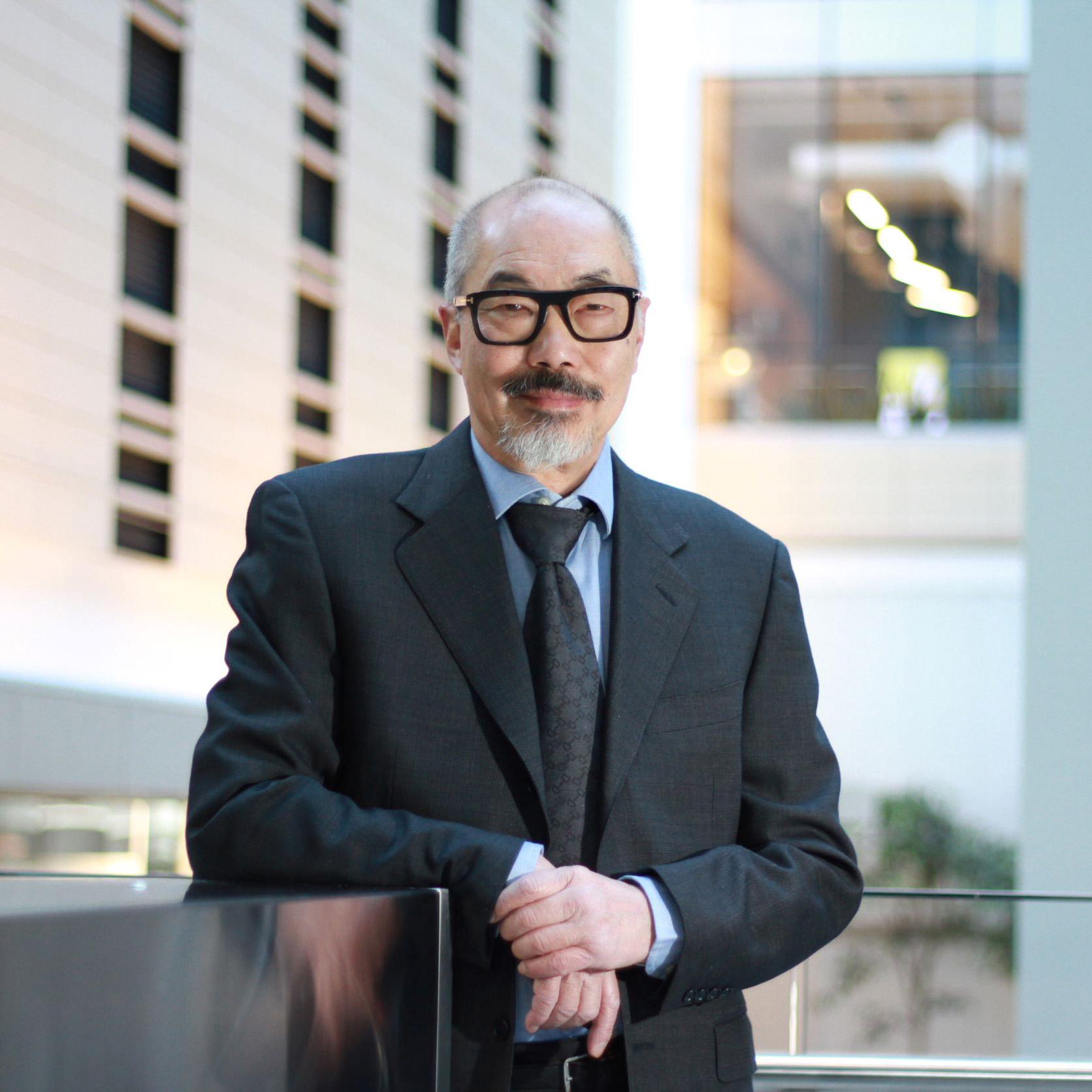
Biography
Tak W. Mak is a Senior Scientist at the Princess Margaret Cancer Centre, University Health Network, and a University Professor in the departments of Medical Biophysics and Immunology at the University of Toronto.
He was elected as a Fellow of the AACR Academy in 2013. Among his major honors are the Paul Ehrlich and Ludwig Darmstaedter Prize in 2004 and the Gairdner Foundation International Award in 1989.
He earned his bachelor’s and master’s degrees from the University of Wisconsin and obtained his PhD in biochemistry at the University of Alberta.
His Pezcoller Award lecture was presented during the AACR Annual Meeting 2023 in Orlando.
Watch here the traditionally award ceremony, was held at Teatro Sociale of Trento, on May 13 2023.